


Quality Control in Industrial Manufacturing
Quality control (QC) is one of the most crucial components of modern industrial manufacturing. It ensures that every product leaving the production line meets strict standards for safety, durability, and performance. Maintaining high-quality standards not only protects customers but also strengthens a company’s reputation and competitiveness in the industrial market.
Advanced Tools and Testing Methods
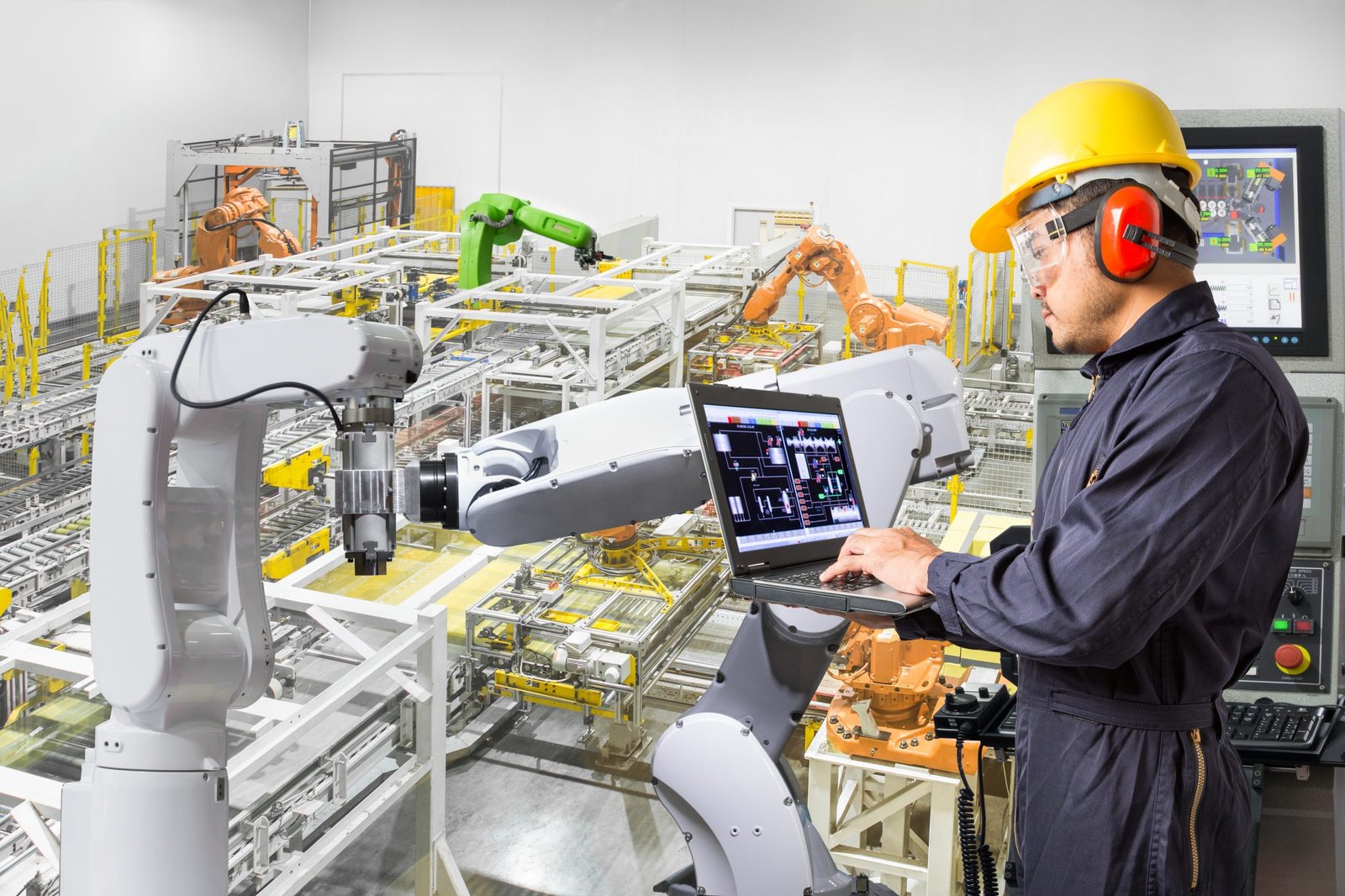
Modern manufacturing facilities rely on advanced inspection tools and sophisticated testing methods to monitor product quality at every stage of production. From evaluating raw materials to performing final product inspections, each step is carefully assessed. Technologies such as automated inspection systems, precision measurement devices, and real-time monitoring tools enable manufacturers to detect even the smallest deviations from quality standards.
Benefits of Effective Quality Control
Implementing effective quality control practices brings multiple benefits to manufacturing operations:
- Defect Reduction: Early detection of issues minimizes defective products and reduces waste.
- Enhanced Production Efficiency: By identifying potential problems before they escalate, manufacturers can maintain smooth workflow and reduce downtime.
- Cost Savings: Preventing defects and rework lowers operational costs and improves profitability.
- Customer Trust: Delivering consistent, high-quality products builds confidence and loyalty among clients.
Quality Control as a Competitive Advantage
In today’s highly competitive industrial landscape, companies with robust quality control systems have a clear advantage. High-quality standards ensure that products perform reliably, even in demanding environments. By prioritizing QC, manufacturers can differentiate themselves from competitors, enhance brand reputation, and meet the evolving expectations of clients and regulatory authorities.