
The Evolution of Industrial Manufacturing
The industrial manufacturing sector has undergone a remarkable transformation over the past few decades. Traditional production methods have gradually given way to modern technologies that enhance efficiency, precision, and overall productivity. With the integration of automation, robotics, and smart manufacturing systems, the way products are designed, manufactured, and delivered has evolved dramatically. These advancements are not just incremental improvements—they are reshaping the very foundation of industrial operations.
Automation: Redefining Efficiency
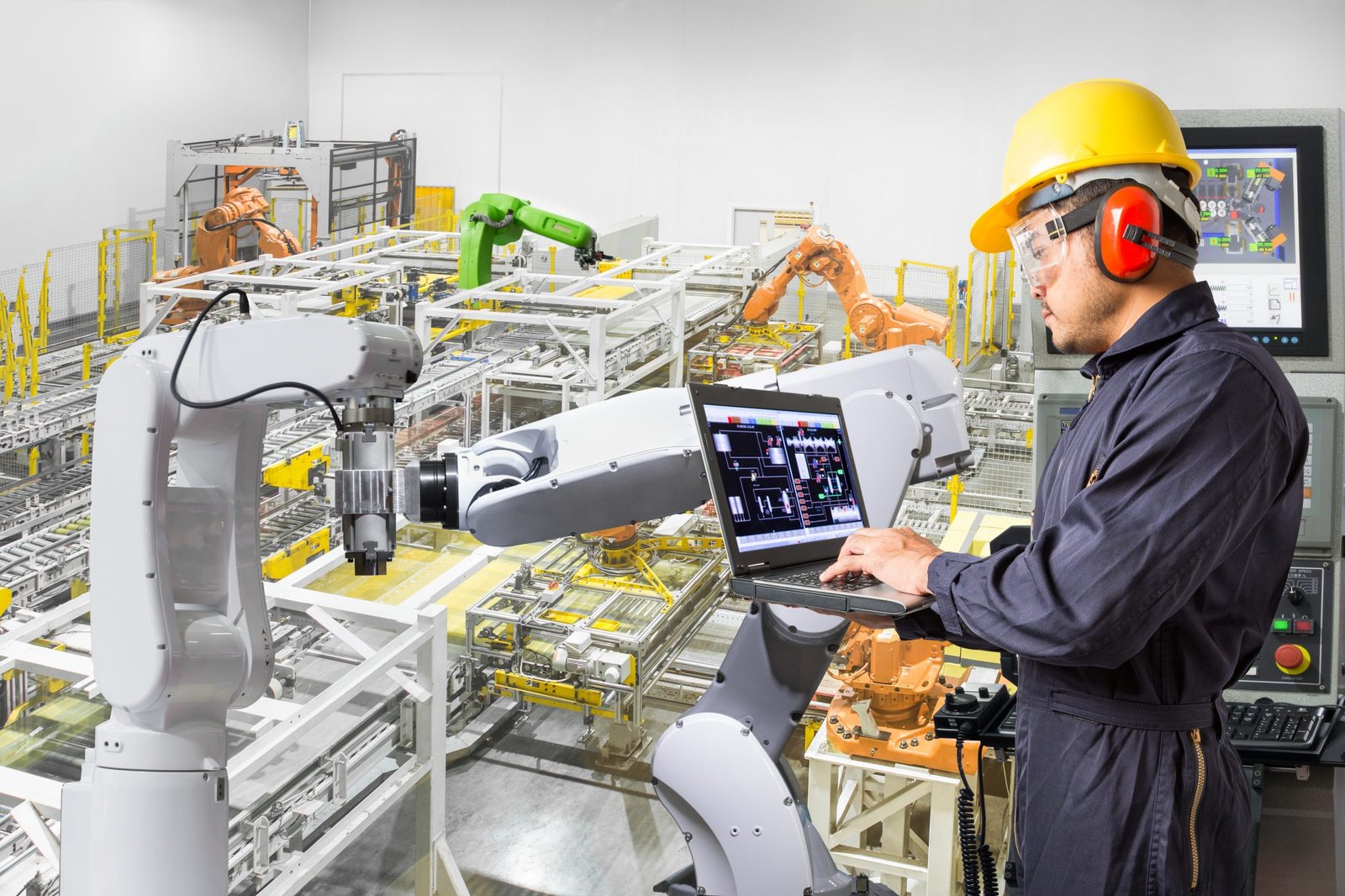
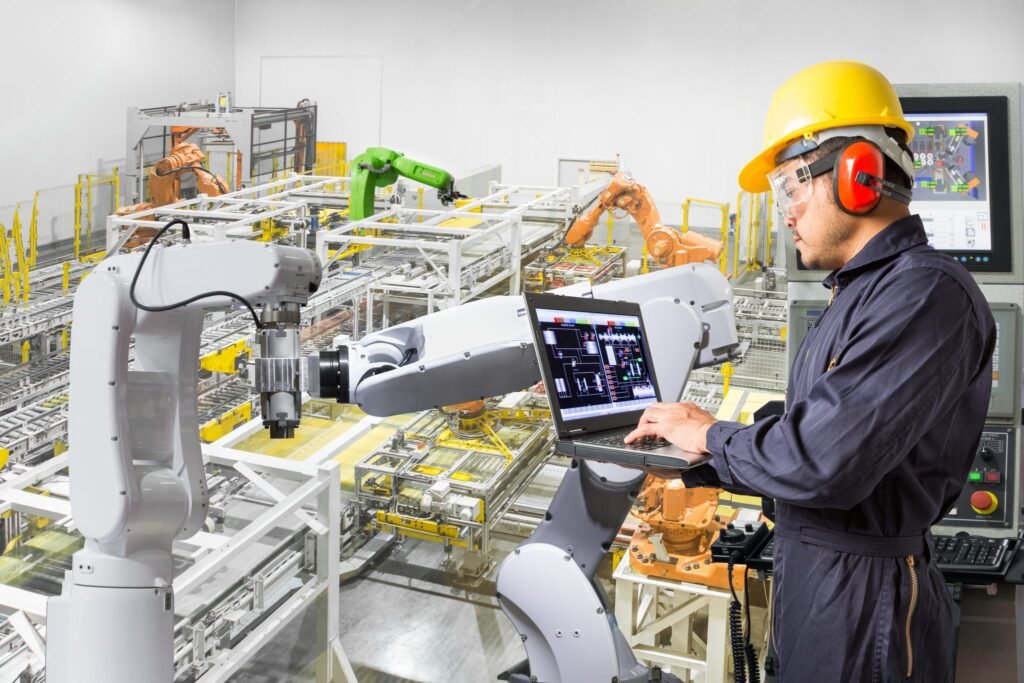
One of the most significant changes in modern manufacturing is the widespread adoption of automated production systems. Automation helps reduce human error while increasing production speed and efficiency. By handling repetitive or labor-intensive tasks, automated systems allow manufacturers to maintain consistent product quality at a faster pace. Moreover, automation frees human workers to focus on tasks that require critical thinking, problem-solving, and complex engineering skills, which in turn enhances overall operational performance.
Robotics: Precision and Reliability
Robotics plays a crucial role in modern industrial processes. Robots can perform repetitive tasks with exceptional precision and accuracy, ensuring consistent outcomes in production lines. This reliability is particularly valuable in industries where exact measurements and flawless execution are critical, such as electronics, automotive, and aerospace manufacturing. By integrating robotics into production, companies can minimize defects, reduce wastage, and improve workplace safety by taking over tasks that are hazardous or physically demanding for human workers.
Smart Manufacturing: Data-Driven Insights
The rise of smart manufacturing systems marks another key advancement in the industrial sector. These systems rely on data-driven technologies, including sensors, monitoring tools, and advanced analytics, to provide real-time insights into every stage of the production process. Manufacturers can track equipment performance, detect inefficiencies, and predict maintenance needs before issues arise. By leveraging these insights, companies can optimize workflows, reduce downtime, and make more informed operational decisions.
Benefits of Modern Manufacturing Technologies
Integrating automation, robotics, and smart systems brings a multitude of benefits to industrial manufacturers:
- Enhanced Operational Efficiency: Streamlined processes reduce bottlenecks and optimize resource use.
- Cost Reduction: Minimizing errors and improving productivity lowers overall production costs.
- Improved Product Consistency: Precision tools and robotics ensure uniform quality across all products.
- Shortened Lead Times: Faster production cycles enable quicker delivery to clients and markets.
- Competitive Advantage: Companies that embrace modern manufacturing technologies are better positioned to stay ahead in a rapidly evolving industrial landscape.
The Future of Industrial Manufacturing
As technology continues to advance, the industrial manufacturing sector will keep evolving. Future developments may include AI-driven production planning, collaborative robots working alongside humans, and fully integrated smart factories. Organizations that invest in these innovations today will not only benefit from immediate efficiency gains but will also be prepared for the demands of tomorrow’s global markets.